Fly Fishing Net Care: Extending the Life of Your Gear
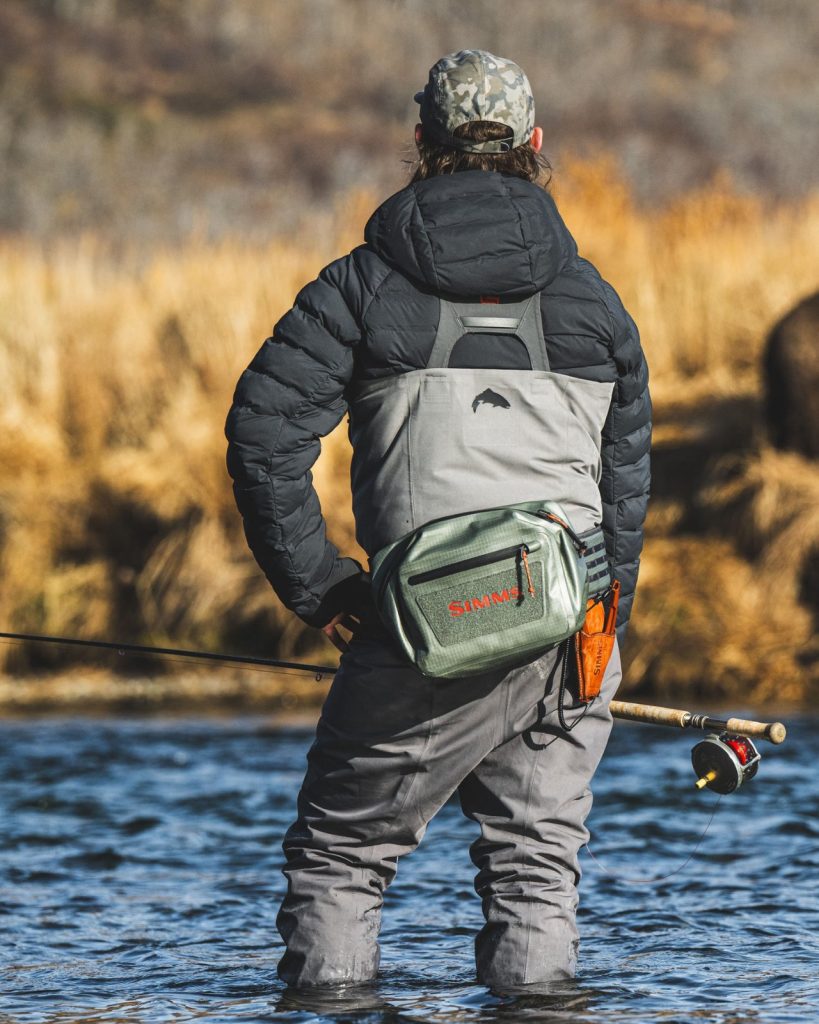
When it comes to fly fishing, a Fly fishing net is more than just a tool — it’s an extension of your angling skill and a safeguard for the fish you catch. Proper care of your net can dramatically extend its lifespan, maintain its effectiveness, and ensure that your fishing experience remains enjoyable and sustainable. Whether you are a seasoned angler or a weekend enthusiast, understanding how to maintain your fly fishing net is crucial for preserving both your gear and the environment.
Understanding Your Fly Fishing Net
Types of Fly Fishing Nets
Fly fishing nets come in a variety of materials and designs, each requiring slightly different care. The two most common types are rubber nets and traditional nylon or mesh nets. Rubber nets are gentle on fish and less likely to absorb water or debris, while nylon nets are lightweight and durable but may require more attention to prevent tangling, mildew, or damage. Selecting the right net depends on your fishing environment, target species, and personal preference, but regardless of type, proper maintenance is key.
Importance of Regular Maintenance
Neglecting your fly fishing net can lead to fraying, holes, and compromised structural integrity. Regular maintenance ensures that your net remains reliable, reducing the risk of losing a catch or damaging delicate fish species. In addition, clean nets minimize the risk of transferring invasive species or contaminants between waterways. Consistent care extends not only the physical life of your net but also enhances your overall fly fishing experience.
Cleaning Your Fly Fishing Net
Immediate Post-Use Rinse
After each fishing trip, rinse your fly fishing net thoroughly with fresh water. This removes dirt, sand, algae, and other debris that may have accumulated during your outing. For saltwater fishing, this step is even more critical, as salt can corrode net frames and degrade mesh over time. Use a gentle flow of water to avoid causing abrasions to the netting material.
Deep Cleaning Techniques
For a more thorough clean, especially after extended use, soak your net in a solution of warm water and mild soap. Avoid harsh chemicals or bleach, as these can weaken net fibers. Gently scrub areas with stubborn dirt using a soft brush. After cleaning, rinse thoroughly to remove soap residue. This process not only keeps your net hygienic but also preserves its flexibility and appearance.
Drying Your Net Properly
Proper drying prevents mildew and unwanted odors. Hang your net in a well-ventilated area, avoiding direct sunlight that can cause UV damage to synthetic materials. Ensure it is completely dry before storing, as any retained moisture can lead to mold growth and material deterioration.
Storage and Protection
Optimal Storage Conditions
Storing your fly fishing net correctly is as important as cleaning it. Choose a cool, dry place away from direct sunlight and extreme temperatures. Avoid placing heavy objects on top of the net, which can deform its frame and mesh. If your net has a telescopic handle or collapsible frame, make sure these components are secured and stored in a way that maintains their structural integrity.
Use of Protective Accessories
Consider using protective sleeves, cases, or net bags to shield your fly fishing net during transport and storage. These accessories prevent accidental snags, scratches, and exposure to harmful elements. Many anglers also recommend attaching a small desiccant packet to absorb any residual moisture inside the storage bag.
Handling Tips to Extend Net Life
Minimize Contact With Rough Surfaces
When using your fly fishing net, avoid dragging it across rocks, gravel, or abrasive surfaces. Rough handling can create small tears or wear in the mesh, reducing its durability. Always aim to keep the net elevated and clear from harsh environmental contact.
Careful Fish Handling
A net’s lifespan can also be affected by how it interacts with your catch. Wet your net before use to reduce friction on fish and prevent the net from sticking. Avoid overloading the net with large fish, which can strain the frame and mesh. By combining proper handling techniques with regular maintenance, you can enjoy years of dependable service.
Regular Inspection
Make a habit of inspecting your fly fishing net before and after each trip. Check for fraying, loose knots, or cracks in the frame. Addressing small issues early prevents more significant damage and avoids unexpected failures during fishing.
Repair and Maintenance
Minor Repairs
Small holes or frayed sections can often be repaired with simple stitching or mesh patches. Use materials compatible with your net type to maintain its strength and integrity. For rubber nets, consider a liquid rubber patch or adhesive designed for synthetic materials.
Professional Servicing
For larger repairs or frame issues, professional net servicing may be worthwhile. Many specialty shops offer net repair services that can restore your gear to near-new condition, saving you the cost of replacement while ensuring the net functions safely and effectively.
Additional Tips for Longevity
- Avoid prolonged exposure to sun and heat: UV rays degrade net materials over time.
- Rinse after chemical exposure: Fishing in waters with algae treatments or chemicals necessitates thorough cleaning.
- Rotate nets for heavy usage: If you fish frequently, consider using multiple nets to reduce wear on a single piece of gear.
- Invest in quality: High-quality nets, though more expensive initially, last significantly longer with proper care.
Conclusion
A fly fishing net is an essential piece of gear that deserves attention and care. By cleaning, drying, storing, handling, and repairing your net properly, you can extend its lifespan and protect the fish you catch. Regular maintenance not only ensures your net remains effective but also contributes to sustainable fishing practices. Prioritizing these simple but critical steps allows you to enjoy countless hours on the water with reliable equipment. Implement these practices today and safeguard your investment, making every fly fishing trip more rewarding and responsible.