Essential Guide to Effective Toilet Repair Techniques
Understanding Toilet Repair Basics
Toilet repairs are essential for every homeowner. Not only do they contribute to the overall functionality of your bathroom, but they also help prevent water wastage and more extensive plumbing issues. Knowing how to address common toilet problems is invaluable for maintaining your home’s plumbing system. In this guide, we will explore various aspects of toilet repair, equipping you with the knowledge and skills needed to tackle common issues effectively.
Common Toilet Issues
Toilets are complex fixtures that can encounter a variety of problems. Understanding these common issues will help you diagnose faults quickly. Here are some frequent problems:
- Clogs: Clogs can occur due to excessive toilet paper, foreign objects, or mineral buildup in older toilets.
- Leaks: Leaks can happen at the base or from the tank, often caused by a worn wax seal or a loose connection.
- Running Toilets: A toilet that runs continuously typically has a faulty flapper or fill valve.
- Flush Problems: Weak or incomplete flushing can be a result of low water levels or issues with the flush mechanism.
Identifying Leaks and Clogs
Identifying leaks and clogs promptly can save you from future headaches. To spot a leak, look for water pooling around the base of the toilet or hear a constant hissing sound. For clogs, you might notice slow drainage or the water filling up in the bowl after flushing. Using tools like a plunger or an auger can help you clear minor blockages effectively.
Tools Needed for Toilet Repair
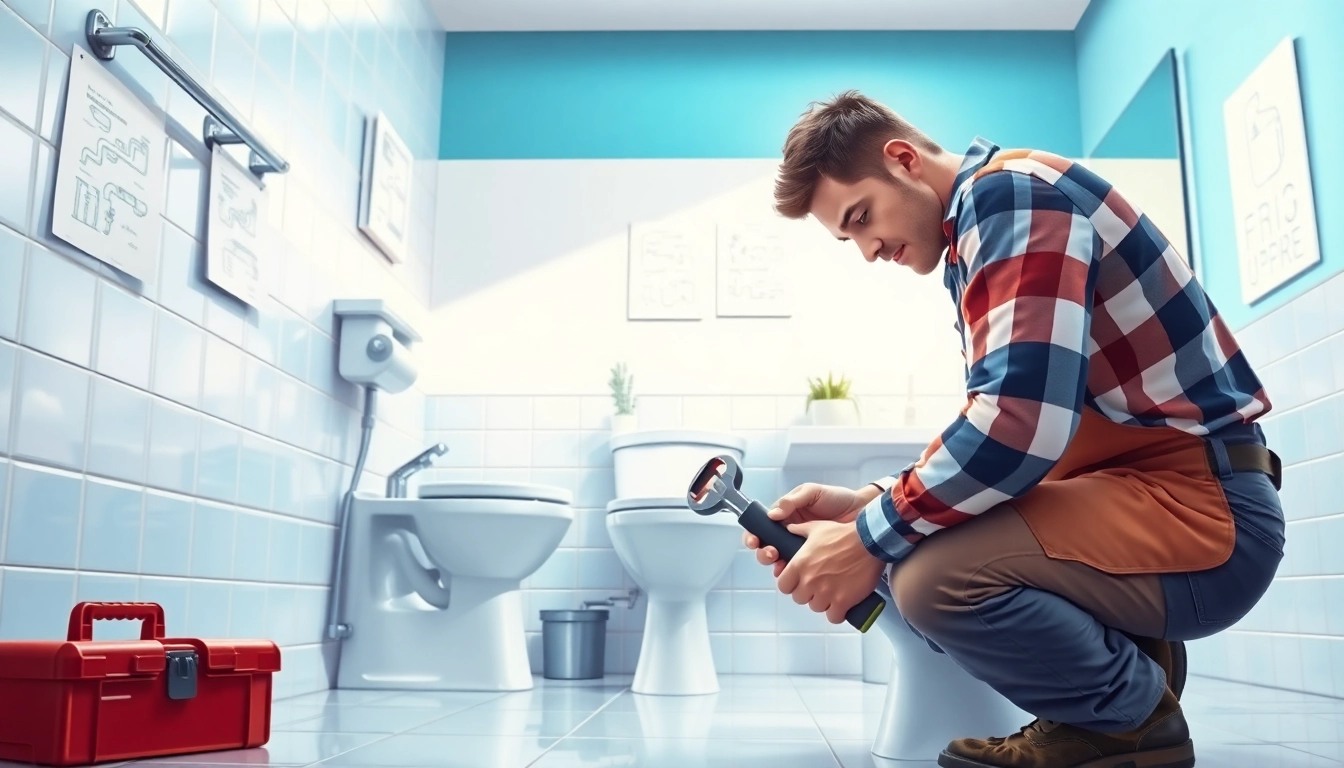
Before attempting any repairs, ensure you have the right tools on hand. Here’s a basic checklist:
- Adjustable wrench
- Plunger
- Toilet auger
- Screwdrivers (flat-head and Phillips)
- Bucket and sponge
Having these tools ready will make any toilet repair task much easier.
Step-by-Step Toilet Repair Process
Preparing for the Repair
Preparation is key to a successful toilet repair. Start by turning off the water supply to the toilet, usually located near the base. Next, flush the toilet to empty the tank and sponge out any remaining water. This reduces the mess and helps you see the components better.
Performing the Repair
Once you have prepared, follow these steps based on the issue you’re facing:
- For Clogs: Use a plunger to push water through the blockage. If ineffective, try a toilet auger to break up the clog.
- For Leaks: Examine the wax seal and replace it if damaged. Tighten any loose bolts.
- For Running Toilets: Inspect the flapper valve for wear. If it’s not sealing properly, replace it.
- For Flush Problems: Check the water level in the tank. If it’s low, adjust the float arm or replace the fill valve.
Testing Your Work
After making repairs, it’s crucial to test your work. Turn the water supply back on and allow the tank to refill. Then, flush the toilet multiple times to check for any signs of leaks or issues. Observing how well the toilet flushes will confirm if repairs were successful.
Advanced Toilet Repair Techniques
Fixing a Running Toilet
A running toilet can be both annoying and wasteful. Here’s a deeper look into how to fix this problem:
- Start by checking the flapper; if it’s warped or damaged, it won’t seal properly, allowing water to leak into the bowl.
- Adjust the chain connecting the flapper to the flush handle; it should have a little slack, but not too much.
- If these adjustments don’t work, consider replacing the fill valve as it may not shut off correctly.
Dealing with Flush Problems
Pouring water directly into the bowl may help determine if a low water level is the cause of weak flushing. If so, you might need to adjust the float device inside the tank to ensure adequate water levels, allowing for a more effective flush.
Replacing Toilet Components
Sometimes, certain components need replacement due to wear and tear. Follow these tips:
- Identify the specific part needing replacement (e.g., flapper, fill valve, flush handle).
- Purchase a compatible part at your local hardware store or online.
- Follow the manufacturer’s instructions for installation carefully to avoid mistakes.
Preventing Future Toilet Issues
Regular Maintenance Tips
Preventive maintenance can extend your toilet’s lifespan. Regularly check the water supply line for leaks, clean the toilet bowl with a gentle cleaner to prevent mineral buildup, and ensure the flush handle functions properly. A simple monthly inspection can alert you to potential issues before they become major problems.
Signs of Wear and Tear
Being aware of the signs of wear and tear can prevent larger issues down the line. Look for:
- Cracks in the toilet bowl or tank
- Frequent clogs or running water
- Corroded components
If you notice any of these signs, consider addressing them promptly to maintain your toilet’s functionality.
Upgrading Your Toilet
If repair costs begin to add up or you deal with constant issues, consider upgrading to a modern toilet model. Low-flow designs not only conserve water but also offer enhanced flushing technology and reduced maintenance requirements.
FAQs About Toilet Repair
How often should I check for leaks?
Check for leaks monthly, especially around connections and the base, to prevent water damage.
What tools do I need for a simple repair?
Basic tools include a plunger, adjustable wrench, screwdrivers, and a toilet auger for clearing clogs.
Can I fix a toilet without calling a plumber?
Yes, many minor repairs can be done by homeowners with basic tools and knowledge, letting you save on costs.
What are signs my toilet needs repair?
Signs include leaks, clogs, unusual noises, frequent running, or poor flushing performance.
How much should I budget for toilet repair?
Repair costs vary, but you should budget between $50 to $200 for minor repairs and more for component replacements.