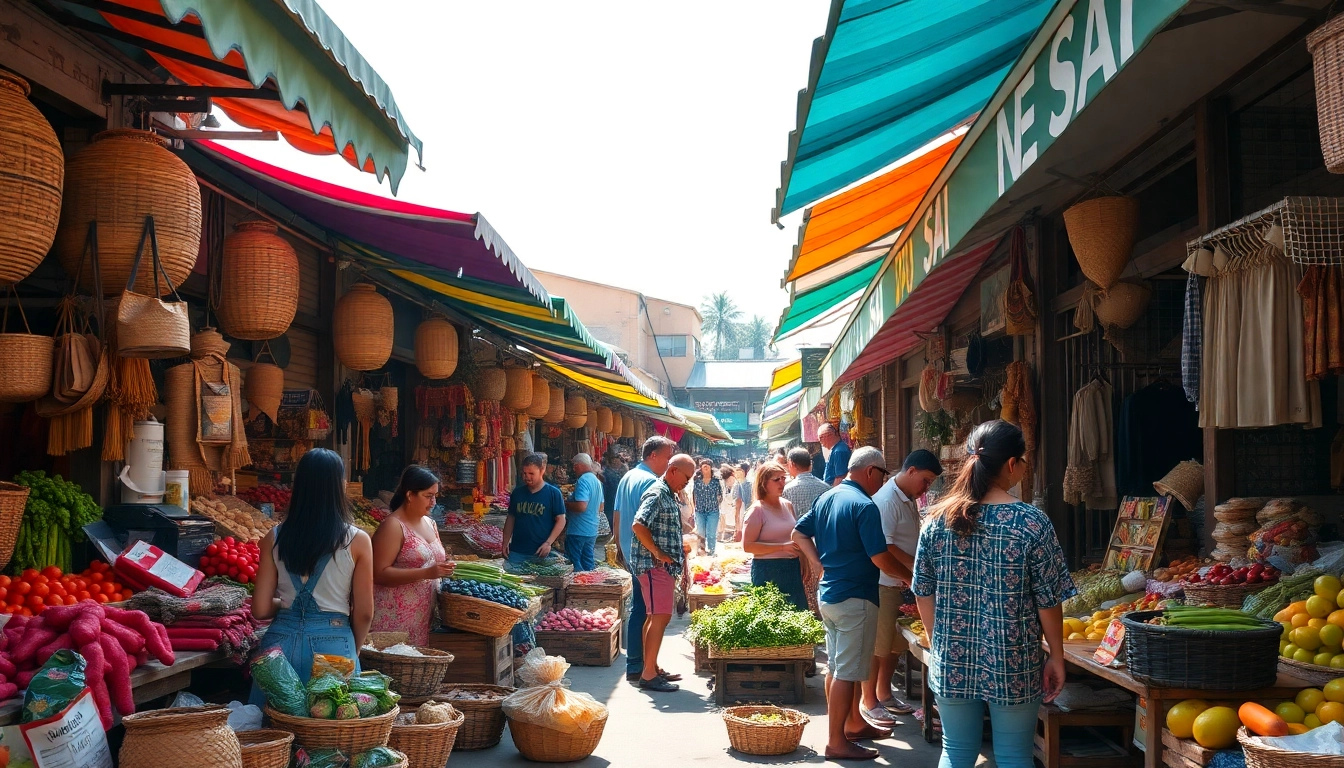
What is a Traditional Economy?
Definition and Core Characteristics
A traditional economy can be defined as an economic system deeply rooted in social customs, heritage, and historical practices. Unlike modern economies that lean toward mechanization and digitalization, traditional economies typically rely on subsistence farming, hunting, gathering, and barter trade. The production and distribution of goods and services are often dictated by familial relationships and long-standing social structures. Key characteristics of traditional economies include a high reliance on agricultural activity, a communal lifestyle, little to no use of money, and minimal technological advancements. In these societies, the community plays a central role in economic activity, leading to strong interpersonal bonds and shared responsibilities.
Differences from Modern Economies
One of the most significant distinctions between traditional and modern economies lies in their mechanisms for resource distribution and production. Traditional economies utilize a barter system, trading goods and services directly without a standardized currency. This can be contrasted with modern economies, which typically exploit complex monetary systems and markets for trade. In addition, traditional economies are more localized and focus on self-sufficiency, while modern economies prioritize globalization and interconnectedness. Production in a traditional economy is community-driven, often centered around fulfilling the familial and communal needs, unlike the profit-oriented focus of modern enterprises. Moreover, traditional economies often oppose rapid technological adoption, seeing it as a potential disruptor of cultural values.
Historical Context and Development
The historical context of traditional economies stems from the very origins of human society. From ancient hunter-gatherer communities to agricultural societies, economies were intrinsically linked to natural resources and land use. The evolution into more sophisticated forms began with settled agriculture around 10,000 years ago, allowing communities to cultivate crops and domesticate animals. Over centuries, various civilizations developed distinct economic practices influenced by geography, climate, and cultural factors. The reliance on barter and community structures has persisted even in modern contexts where elements of traditional economies coexist with contemporary practices, leading to a hybrid economic nature that challenges binary categorizations of traditional and modern.
Key Features of the Traditional Economy
Resource Allocation and Production
In a traditional economy, resource allocation is often predetermined by cultural norms and societal needs. This allocation generally involves communal decision-making processes, where families contribute to and share the resources available. The production typically focuses on agriculture, hunting, and gathering, with an emphasis on sustainability and the preservation of the environment. As a result, traditional economies produce goods primarily for local consumption rather than for trade in broader markets. This local focus fosters resilience and sustainability, as communities adapt their practices based on the seasons, soil quality, and ecological changes.
Role of Customs and Traditions
Customs and traditions are the backbone of a traditional economy. These practices govern every aspect of economic life, from agricultural methods to the types of goods produced and exchanged. Rituals and customs surrounding resource management and production are woven into the economic fabric, ensuring that cultural heritage is preserved. For example, certain crops may be linked to specific festivals or ceremonies, reinforcing their significance beyond mere economic value. The adherence to these customs fosters a sense of identity and solidarity among community members, creating a tightly-knit social structure that supports both economic and emotional well-being.
Barter System Explained
The barter system is a fundamental component of a traditional economy, facilitating trade without the use of currency. This system relies on mutual agreement on the value of goods or services exchanged. In communities operating under a barter system, people often engage in face-to-face negotiations, which helps cultivate trust and strengthen community ties. While modern economies have moved toward centralized financial systems, bartering remains relevant in specific regions or during economic downturns, where currency may lose its value or be scarce. The simplicity of the barter system allows communities to exchange resources based on immediate needs, adding a layer of economic flexibility.
Advantages of a Traditional Economy
Community Bonding and Support
One of the remarkable benefits of a traditional economy is the sense of community and belonging it fosters. The economic activities are often collaborative, with families and community members working together to achieve collective goals. This interconnectedness creates strong social bonds, encouraging support systems that help individuals and families withstand hardships. Celebrations of harvests, for example, reinforce communal ties, creating a sense of identity and pride that transcends economic transactions.
Sustainability and Environmental Focus
Traditional economies often prioritize sustainable practices over profit maximization. Many communities engage in practices that protect natural resources and maintain ecological balance. By following traditional agricultural methods such as crop rotation and companion planting, these economies promote biodiversity and soil health. Furthermore, traditional communities often possess extensive knowledge of local ecosystems, enabling them to manage resources effectively while minimizing environmental impacts. This deep-rooted understanding fosters an approach to economic life that respects and preserves nature.
Resilience during Economic Changes
In times of economic uncertainty, traditional economies can exhibit remarkable resilience. Their localized focus allows them to adapt quickly to societal or environmental shifts without relying heavily on external markets or resources. By relying on subsistence farming and community cooperation, these economies can manage food security even during global crises. The emphasis on self-sufficiency and mutual aid helps traditional economies weather storms in ways that more globalized economies may struggle to do.
Challenges Facing Traditional Economies
Impact of Globalization
Globalization poses significant challenges for traditional economies, often threatening their existence as global market forces encroach upon their territories. The introduction of mass-produced goods can undermine local artisanal practices and obliterate traditional craftsmanship. Furthermore, the globalization of agriculture shifts food production towards monocultures, destabilizing local practices that respect biodiversity. Communities may find themselves battling to preserve their traditions while conforming to rising global economic pressures.
Technological Advancements
Although technology holds potential benefits, its rapid advancement can act as a double-edged sword for traditional economies. On one hand, access to modern agricultural tools can enhance productivity and efficiency. On the other hand, the imposition of cutting-edge technologies can disrupt age-old practices, leading to a decline in traditional skills and knowledge. Communities may find themselves at a crossroads—embracing technology for progress or resisting it to uphold their heritage.
Transition to Modern Practices
The transition to modern economic practices can create tension within traditional economies. As younger generations become more exposed to modern values and technologies, they may seek opportunities outside of their communities. This can lead to brain drain as skilled individuals migrate to urban centers in search of better prospects. Communities risk losing not only their workforce but also the cultural heritage linked to traditional methods of production and resource management.
The Future of the Traditional Economy
Adapting to Change while Preserving Heritage
The future of traditional economies hinges on their ability to adapt to changing landscapes while preserving their cultural heritage. Communities can explore hybrid models that integrate modern techniques without compromising core values. By investing in education and trade partnerships, traditional economies can ensure that their practices remain relevant while still honoring ancestral customs. This delicate balance can pave the way for sustainable growth that respects both innovation and heritage.
Integrating Modern Techniques
Integrating modern techniques can enhance the efficiency and viability of traditional economies without erasing their identity. For instance, the adoption of eco-friendly technologies can benefit agricultural practices, increasing yields while minimizing harmful environmental impacts. Training workshops and collaborations with experts can equip local farmers with new knowledge without undermining their traditional ways. This cooperation can also expand market access, empowering communities while retaining cultural integrity.
Potential for New Markets
As consumers increasingly prioritize ethical sourcing and sustainable products, traditional economies possess the potential to tap into new markets. Unique artisanal goods can cater to niche markets that value authenticity and craftsmanship. By leveraging their rich cultural heritage, traditional economies can inform consumers and attract interest in their products organically. Moreover, branding initiatives can help elevate these goods in global markets while ensuring that local artisans receive fair compensation for their labor.
Frequently Asked Questions
What defines a traditional economy?
A traditional economy is defined by subsistence production, barter exchange, low technology use, and strong community ties, focusing on customs and practices handed down through generations.
How does the barter system work?
The barter system involves the direct exchange of goods and services without money, relying on mutual agreement on the value of what is exchanged, fostering trust and community relationships.
What are the main advantages of traditional economies?
Traditional economies promote community bonding, sustainable practices, and resilience to economic changes, often creating strong social support systems and respect for the environment.
What challenges do traditional economies face today?
Challenges include globalization, technological advancements, and the pressure to transition to modern economic practices, which can threaten their cultural heritage and sustainability.
Can traditional economies adapt to modern changes?
Yes, traditional economies can adapt by integrating modern technologies carefully while preserving cultural heritage, allowing for sustainable growth and expanded market opportunities.