Essential Guide to Residential Heating and Cooling Solutions
Understanding Residential Heating and Cooling
What Is Residential Heating and Cooling?
Residential heating and cooling refers to the systems and processes that regulate indoor temperatures in homes to ensure comfort and safety for occupants. These systems manage temperature, humidity, and air quality using various technologies and equipment. The primary objective is to provide a comfortable living environment throughout the year, adapting to seasonal changes.
The Importance of HVAC Systems for Homes
The significance of heating, ventilation, and air conditioning (HVAC) systems cannot be overstated. Homes equipped with efficient HVAC systems experience better air circulation, improved comfort levels, and enhanced energy efficiency. Proper heating and cooling systems can also safeguard homes from extreme temperatures, mold growth, and respiratory issues. Ultimately, investing in a robust HVAC system is not just about comfort; it’s about creating a healthier home environment.
Key Components of Residential Heating and Cooling
Residential heating and cooling systems consist of several key components:
- Furnaces: Heat the air and circulate it through duct systems.
- Air Conditioners: Remove heat and humidity from indoor air to cool homes.
- Heat Pumps: Transfer heat from outside to inside during winter and vice versa in summer.
- Thermostats: Control the temperature and scheduling of HVAC systems.
- Ductwork: Distributes heated or cooled air throughout the home.
- Filters: Cleanse the air by trapping dust, allergens, and pollutants.
Types of Residential Heating and Cooling Systems
Central Air Conditioning and Heating
Central air conditioning and heating systems utilize a network of ducts to distribute conditioned air throughout a home. These systems are efficient and effective for larger homes, providing uniform temperature control. A central system usually consists of an indoor unit and an outdoor unit, connected by refrigerant lines and ductwork. Regular maintenance is crucial for these systems to operate effectively, ensuring filters are replaced and ducts are cleaned periodically to avoid reduced airflow and energy efficiency.
Ductless Mini-Split Systems
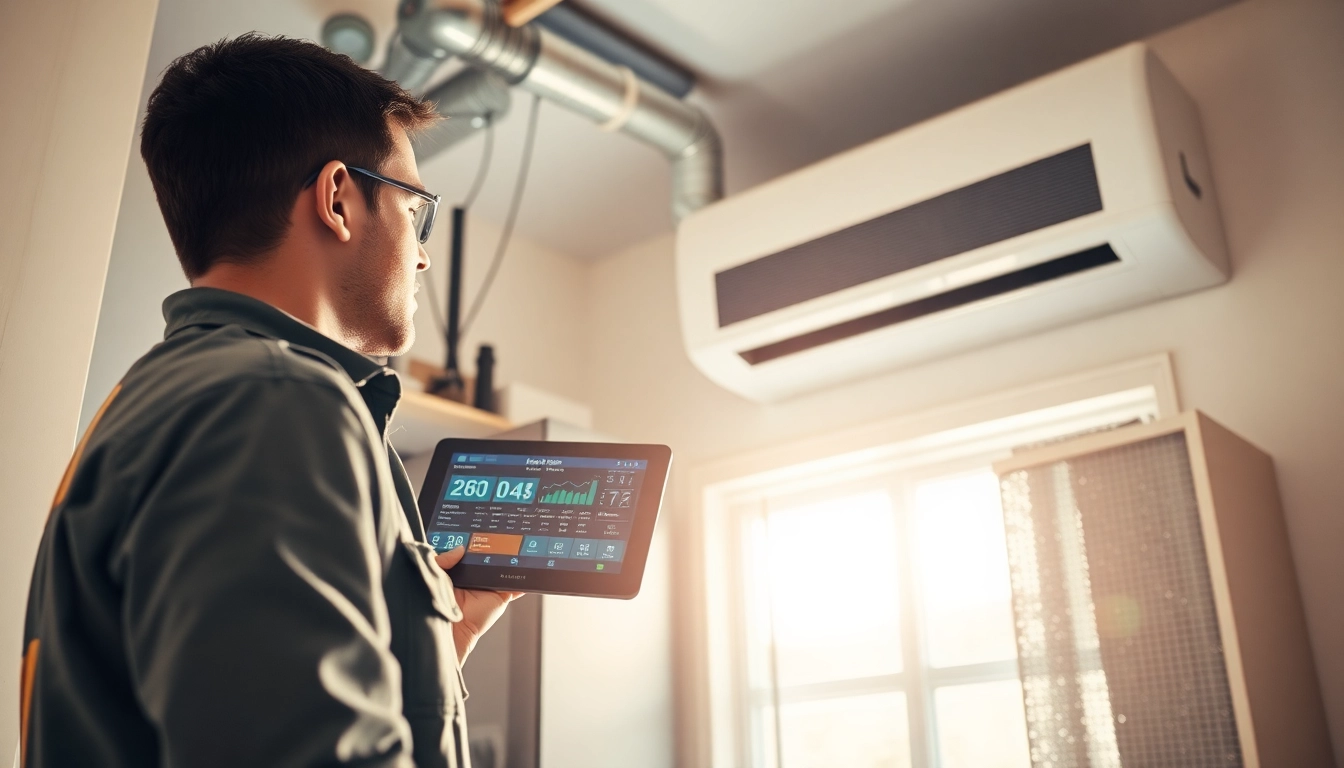
Ductless mini-split systems offer a flexible solution for heating and cooling. These systems include an outdoor compressor unit and one or more indoor units, allowing for zoning control. Each indoor unit can be controlled separately, providing tailored comfort depending on individual room needs. Ductless systems are particularly advantageous for homes without existing ductwork or for additions where extending ductwork would be impractical.
Heat Pumps: A Versatile Option
Heat pumps function by moving heat rather than generating it, making them an energy-efficient option for both heating and cooling. In winter, they extract heat from the outside air and transfer it indoors, while in summer, the process is reversed. There are various types of heat pumps, including air-source, ground-source (geothermal), and water-source variants, each suitable for different environmental conditions and home designs.
Energy Efficiency in Residential Heating and Cooling
SEER Ratings and What They Mean
Seasonal Energy Efficiency Ratio (SEER) is a metric used to measure the efficiency of air conditioning systems. The higher the SEER rating, the more efficient the system is. For homeowners, selecting an air conditioning unit with a higher SEER rating can lead to significant energy savings and a reduced environmental footprint. Always consider investing in units that meet or exceed Energy Star standards for optimal performance.
How to Choose Energy-Efficient Systems
Choosing energy-efficient heating and cooling systems can dramatically lower utility bills and increase comfort levels in homes. Here are some steps to consider:
- Look for appliances with high SEER or Energy Star ratings.
- Consider the size of the system; a properly sized unit avoids excessive energy use.
- Evaluate the technology used; smart systems offer programmable thermostats and zoning capabilities.
- Research available incentives or rebates for energy-efficient equipment.
Benefits of Smart Thermostats
Smart thermostats represent a step forward in energy efficiency and convenience. They allow homeowners to set temperatures remotely using smartphones and can learn user patterns to optimize heating and cooling schedules. By adjusting the temperature settings automatically according to occupancy and preferences, smart thermostats can significantly reduce energy consumption and lead to lower heating and cooling costs.
Common Problems with Residential Heating and Cooling Systems
Identifying HVAC Issues Early
Recognizing early signs of HVAC issues can prevent costly repairs and downtime. Some common indicators of problems include:
- Unusual noises coming from the system.
- Inconsistent temperatures in different rooms.
- Higher than normal energy bills.
- Strange smells emanating from vents.
- Increased frequency of system cycling on and off.
Tips for Maintenance and Troubleshooting
Regular maintenance is vital for maximizing the efficiency and lifespan of heating and cooling systems. Here are a few essential tips:
- Replace air filters at least every 1-3 months to maintain airflow and air quality.
- Schedule annual professional inspections to catch issues early.
- Keep outdoor units clear of debris and vegetation.
- Inspect ductwork periodically for leaks.
When to Call a Professional
While some minor troubleshooting can be done by homeowners, there are specific situations that necessitate professional intervention. If your system does not respond to thermostat settings, exhibits frequent breakdowns, has significant airflow issues, or presents any potential safety hazards, it’s crucial to engage a trained technician. Professional assessments can ensure that repairs are carried out effectively and safely.
Frequently Asked Questions About Residential Heating and Cooling
What is the average lifespan of a heating and cooling system?
The average lifespan of a residential heating and cooling system is typically 15 to 20 years. Regular maintenance can help extend this lifespan significantly.
How can I improve the air quality in my home?
Improving air quality can be achieved by regularly changing filters, using air purifiers, ensuring proper ventilation, and keeping humidity levels in check.
What are the signs I need to replace my HVAC system?
Signs include frequent repairs, rising energy bills, inadequate heating or cooling, and the system being older than 15 years. If you notice these, consider replacement.
How often should HVAC systems be serviced?
HVAC systems should ideally be serviced twice a year — once in the spring for cooling and once in the fall for heating to ensure optimal performance.
What are the benefits of regular maintenance?
Regular maintenance can enhance efficiency, prolong lifespan, reduce repair costs, and ensure a healthier indoor environment thanks to improved air quality.
Contact Information
Email: [email protected]
Email: 403-973-0717