
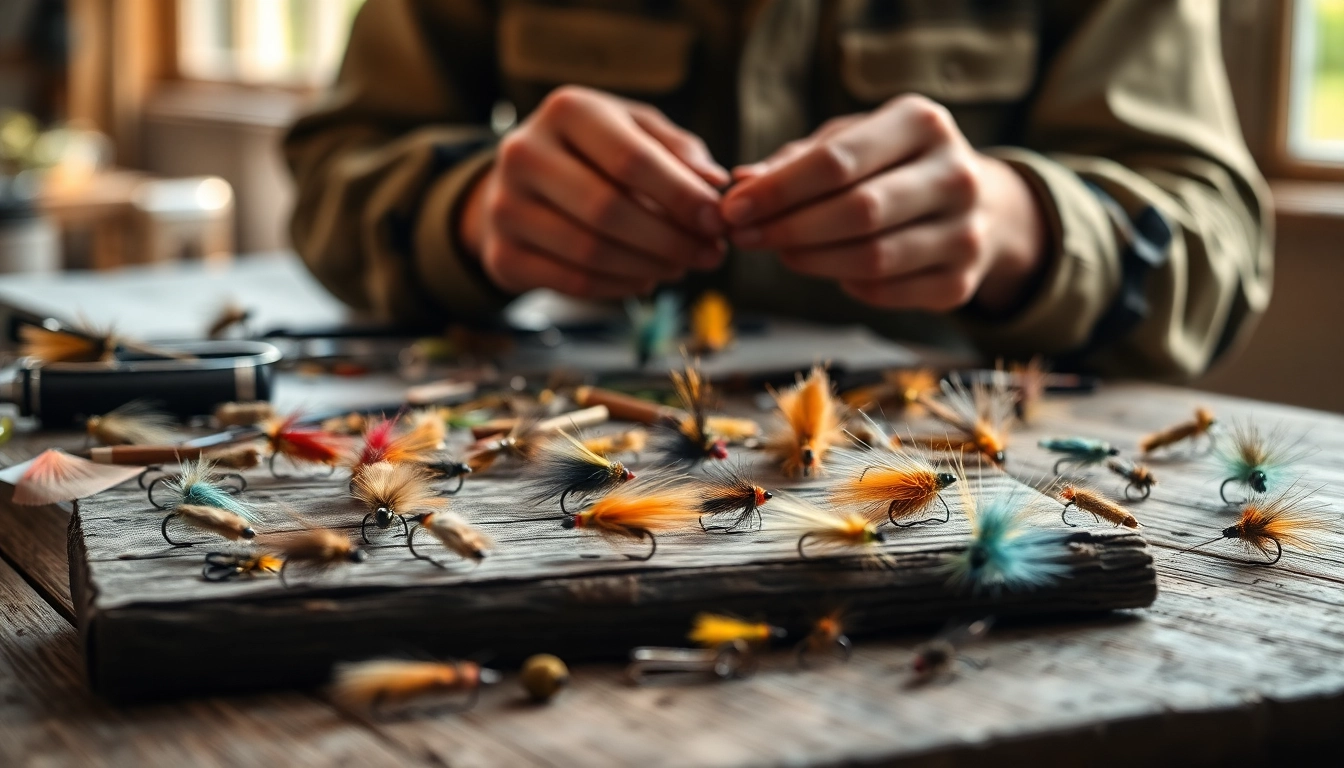
Mastering the Art of Fly Tying: Techniques, Materials, and Tips
Introduction to Fly Tying
Fly tying is an art form rooted in both tradition and innovation. It involves crafting artificial flies used for angling, allowing enthusiasts to mimic the natural prey of fish. The beauty of fly tying lies not just in its function but also in the creativity it fosters; each fly can be a testament to a tier’s skill and imagination. Understanding the nuances of fly tying is essential for any angler looking to elevate their fishing experience.
Understanding the Basics of Fly Tying
At its core, fly tying is about combining various materials to create a fly that accurately represents a fish’s natural food source. The process involves specific techniques and tools that every beginner must learn. Different types of flies, such as nymphs, dries, and streamers, require distinct tying styles and materials. Understanding these classifications helps tyers select the right patterns for their fishing conditions.
The Importance of Quality Materials in Fly Tying
Quality materials significantly impact the performance of flies. Commonly used materials include feathers, fur, synthetic fibers, and various hooks. High-grade materials yield more durable, effective flies that can withstand the rigors of casting and catching. When purchasing materials, investing in reputable sources can enhance the overall fishing experience by ensuring consistency in performance.
Essential Tools Every Fly Tyer Should Have
Equipping yourself with the right tools is vital in the fly tying process. At a minimum, every tier should have:
- Fly Tying Vise: Holds the hook securely while you work.
- Scissors: Sharp and fine-tipped for detailed cutting.
- Bobbin: A crucial tool that holds thread and allows for controlled application.
- Hackle Pliers: Helps to grip and place materials like hackles effectively.
- Whip Finisher: For tying knots to secure your fly.
These tools lay the foundation for a successful fly tying setup, making the process smoother and more enjoyable.
Mastering Fly Tying Techniques
Basic Techniques for Beginners in Fly Tying
To embark on your fly tying journey, mastering a few fundamental techniques is essential. Beginners should start with the following:
- Thread Control: Learning how to maintain consistent tension on the thread is crucial to securing materials without breaking them.
- Wrapping Techniques: Understanding how to wrap thread around the hook allows you to attach materials securely.
- Finishing Knots: Properly securing your flies with knots will ensure they remain intact while fishing.
Practicing these techniques will establish a solid foundation for more intricate methods in the future.
Advanced Techniques for Experienced Fly Tyers
Once you’ve honed the basics, it’s time to delve into advanced techniques. These may include:
- Inline Tying: This technique facilitates the creation of more realistic patterns, mimicking natural movements.
- Fusion Tying: Combining multiple materials for enhanced texture and appearance.
- Color Blending: Mastering the art of blending colors can lead to new and effective patterns.
The exploration of these techniques can lead to innovation in your fly designs and improved catch rates.
Common Mistakes to Avoid in Fly Tying
Effective fly tying requires attention to detail. Avoid these common mistakes:
- Neglecting Material Quality: Using inferior materials can lead to flies that fail to perform.
- Over-Thinking Patterns: Simplicity often wins; complex flies aren’t always necessary!
- Ignoring Proportionality: Maintaining proportion in body, wings, and tails enhances the fly’s effectiveness.
Recognizing and rectifying these mistakes will elevate a tier’s skill and output quality.
Selecting the Right Patterns for Fly Tying
Popular Fly Tying Patterns for Beginners
For beginners, starting with proven patterns can provide a sense of accomplishment. Some entries into the world of fly tying include:
- The Adams: An excellent dry fly that attracts various species.
- The Woolly Bugger: A versatile streamer that works across different waters.
- The Pheasant Tail Nymph: A go-to nymph pattern adaptable to several fishing scenarios.
Beginning with these patterns allows new tyers to gain confidence and develop their skills into more complex designs.
Seasonal Patterns and Their Importance in Fly Tying
Understanding seasonal patterns is critical for effective fly fishing. Spring and summer may require different insect imitations compared to fall and winter. For instance, in early spring, aquatic insects are emerging, and matching these with appropriate nymphs or emergers can yield excellent results. Conversely, during summer, terrestrials may be the primary food source, necessitating a focus on ants or grasshoppers.
Adapting your fly tying patterns to seasonal changes will enhance your chances of catching fish.
How to Experiment with Custom Patterns in Fly Tying
Fly tying is not just about replication; it’s about discovery. Experimenting with custom patterns can lead to personalized flies that produce effectively in your local waters. Try altering existing patterns by changing colors or modifying materials to create variations. Document your experiments and results to refine your approach over time. Many successful tyers often boast about the special patterns they’ve developed through experimentation.
Improving Your Fly Tying Skills
Resources for Learning Advanced Fly Tying
Enhancing your fly tying skills can come from various resources:
- Online Tutorials: Websites and video platforms offer detailed instructions.
- Books: Literature on fly tying techniques can provide insights into advanced methods.
- Forums and Blogs: Joining online communities where seasoned tyers share tips can be incredibly beneficial.
Staying curious and continually learning will vastly improve your fly tying capabilities.
The Role of Community in Enhancing Fly Tying Skills
Engagement with the fly tying community offers immense benefits. Local fly fishing clubs and online groups allow tyers to share their work, get feedback, and learn from one another. Participating in community events or workshops fosters camaraderie and enhances your skills through collective knowledge and experience sharing.
Participating in Fly Tying Competitions and Workshops
Competitions can be a thrilling way to push your skills to the next level. Many local and national events allow you to showcase your best flies while learning from peers. Workshops led by experienced tyers expose you to new methods and encourage your progress within a supportive environment. Both competitions and workshops not only hone your skills but also connect you with a network of enthusiastic individuals.
FAQs About Fly Tying
What materials are essential for fly tying?
Common materials include hooks, threads, beads, and synthetic or natural fibers like feathers. Quality materials impact fly performance.
Can I learn fly tying on my own?
Yes, many tyers start independently using online resources, books, or videos. Consistent practice is key to mastering skills and techniques.
How long does it take to become proficient in fly tying?
Proficiency varies with each individual; dedicated practice over weeks or months can significantly improve skills, depending on effort and practice frequency.
Are there specific tools I need for advanced fly tying?
Advanced tyers often use rotary vises, specialized scissors, and dedicated storage for organizing materials, making tasks more efficient.
What are some tips for organizing my fly tying materials?
Use labeled containers, trays, or drawers to categorize materials by type or color for easy access during the tying process. An organized workspace enhances efficiency.